Hard-coat cement stucco vs. older lime plaster in 518 towns
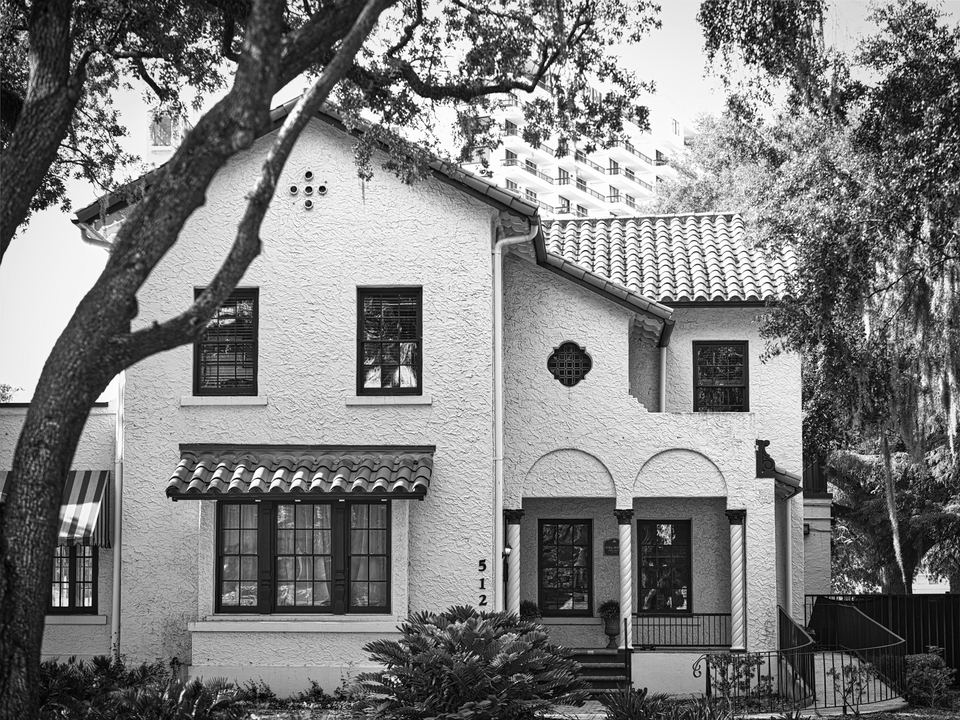
When you rap your knuckles against a plaster-finished house in Schenectady, Troy, Delmar, Niskayuna, or Saratoga Springs and hear a solid thud rather than a hollow drum sound, the wall is traditional stucco rather than foam-backed EIFS. Across the Capital Region, we run into two distinct eras of masonry plaster. Post-war homes and commercial walls usually carry three-coat Portland cement stucco applied over metal lath, while pre-1940 houses, dormers, and Tudor half-timber gables often carry softer lime-rich plaster over wood lath, brick, or structural clay tile. Mixing up the two causes repeat failures: slapping a dense, rigid cement patch onto softer lime plaster traps vapor and shears right off along the patch perimeter during winter freeze-thaw swings.
Stucco rarely cracks or bulges without a reason behind the cladding. Water sneaks in at unsealed window casings, flat chimney shoulders, rotted fascia and soffit overhangs, or missing kick-out flashing where porch roofs meet upper walls. Once moisture reaches old building paper and bare steel lath, the lath rusts, expands, and pushes the scratch coat away from the framing. True to the approach we take across 518 Siding Pros, we repair the wall assembly behind the plaster before troweling new mortar:
- sounding the elevation to map delaminated areas and saw-cutting back to sound framing and solid lath
- replacing rotted wood board or plywood sheathing so fasteners hold tight into structural studs
- lapping fresh weather-resistive barrier layers properly into metal window flashing, casing beads, and bottom weep screeds
- fastening corrosion-resistant metal lath solidly into wall studs with furring that lets mortar key fully behind the wire
- building out scratch and brown coats with proper curing intervals, or mixing compatible lime mortar on historic masonry and wood-lath walls
Matching stucco textures, breathable finishes, and temperature limits
Nothing announces a cheap stucco repair faster than a flat, slick patch sitting in the middle of a heavy sand-float, pebble-dash, or skip-trowel elevation. After the brown coat cures and hairline shrinkage settles, our mechanics sponge-float, dash, or trowel the finish layer to blend with surrounding aggregate and relief. Where decades of paint layers or patchy repairs leave color variations across an entire gable, we can coat the cured wall with a vapor-permeable masonry finish from our exterior waterproofing scope—avoiding thick, non-breathable films that blister when interior vapor migrates outward. Cement and lime stucco work requires ambient and wall temperatures of about 40 °F and rising with no freezing for at least 24 hours, making spring through late fall our active plastering season while estimates continue all year.
Typical stucco repair scopes on Capital Region homes
Localized stucco repairs—such as rebuilding spalled corners, chimney shoulders, foundation parging transitions, or window-head cracks—often fall between a few hundred and a couple of thousand dollars depending on height and lath condition. Upper-story Tudor gables and tall masonry elevations are staged safely using our own company-owned pipe and frame scaffold, set by our crew without third-party rental markups. Where an entire elevation has rusted free of its sheathing, we price both new three-coat cement stucco and stripping the wall for siding replacement over a modern weather barrier so you can compare maintenance and cost clearly. Text 3 to 5 photos to (518) 888-7938 for a free estimate.