Siding repair
Storm damage, rot and loose or cracked siding repaired and matched.
Albany · Colonie · Clifton Park · Schenectady · Troy
Siding that keeps the wall behind it dry. Whether wind ripped loose a few courses of vinyl or leaking trim rotted the sheathing underneath, we repair the weather barrier, flashing and wood before the cladding goes back on.
Call or text (518) 888-7938
Book spring work now. Winter assessments and estimates available.
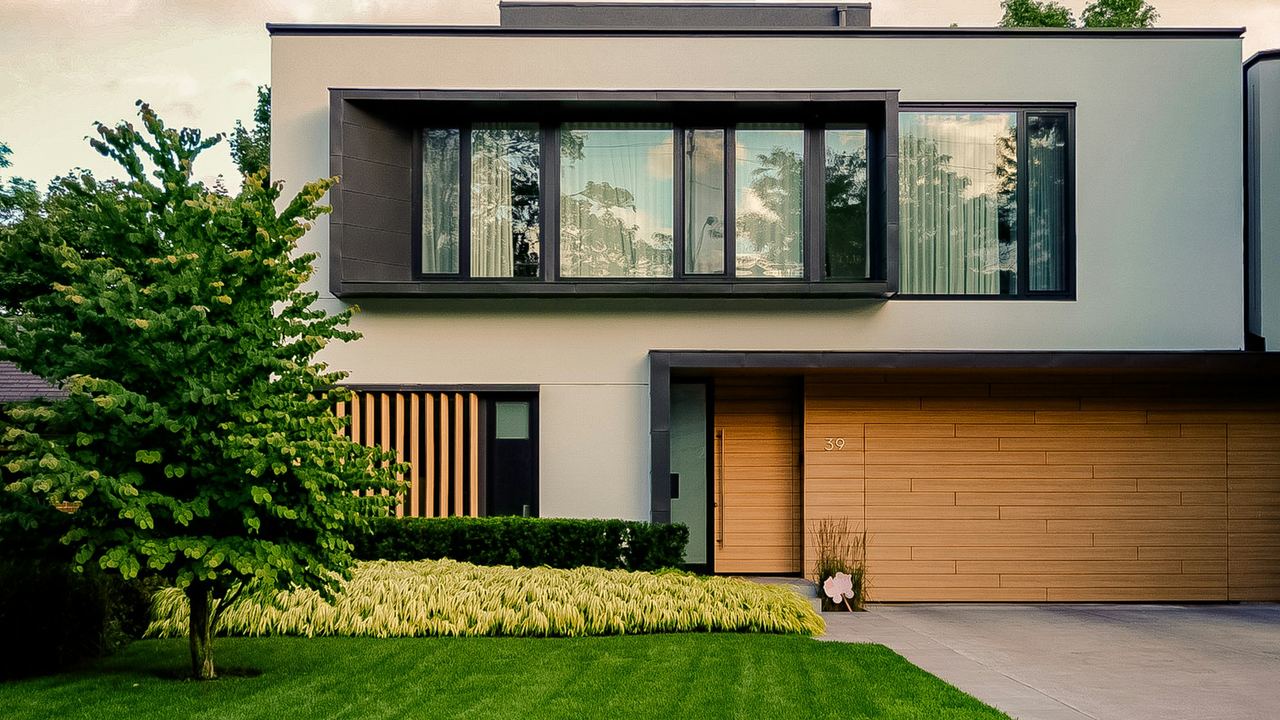
Photo: AI-generated video; still image is a stock photoAI-generated video: drone glides around a freshly re-sided modern farmhouse-style home
Siding, exterior trim and weather-barrier work come first on this site, backed by our full range of facade trades when a building carries more than one wall system.
Storm damage, rot and loose or cracked siding repaired and matched.
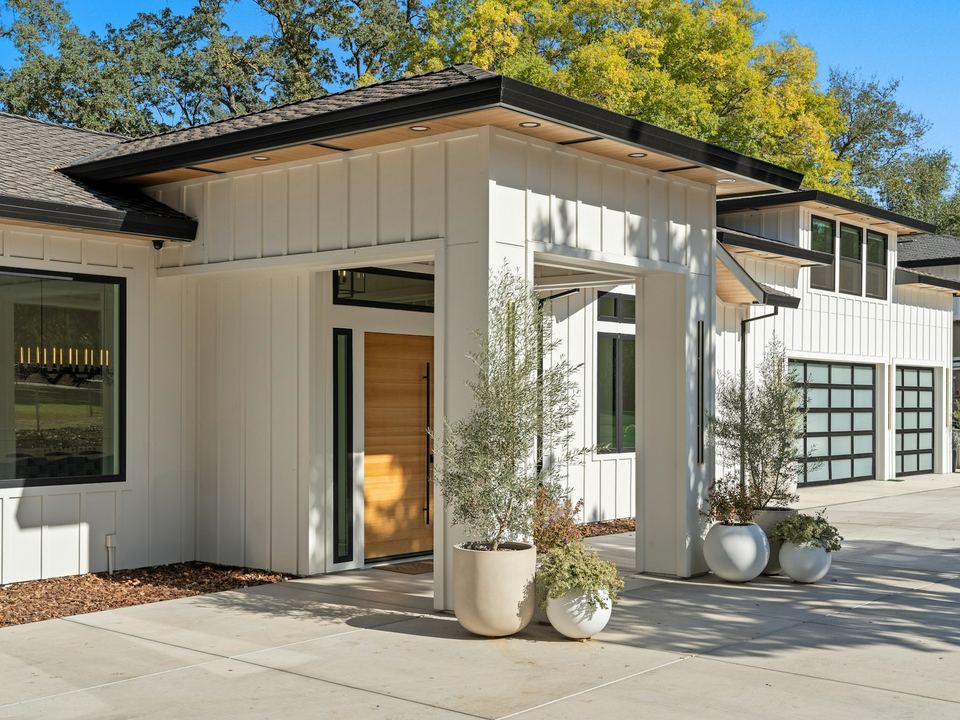
Old siding stripped and replaced over a proper weather barrier.
Rotted trim, soffits and fascia replaced or wrapped.
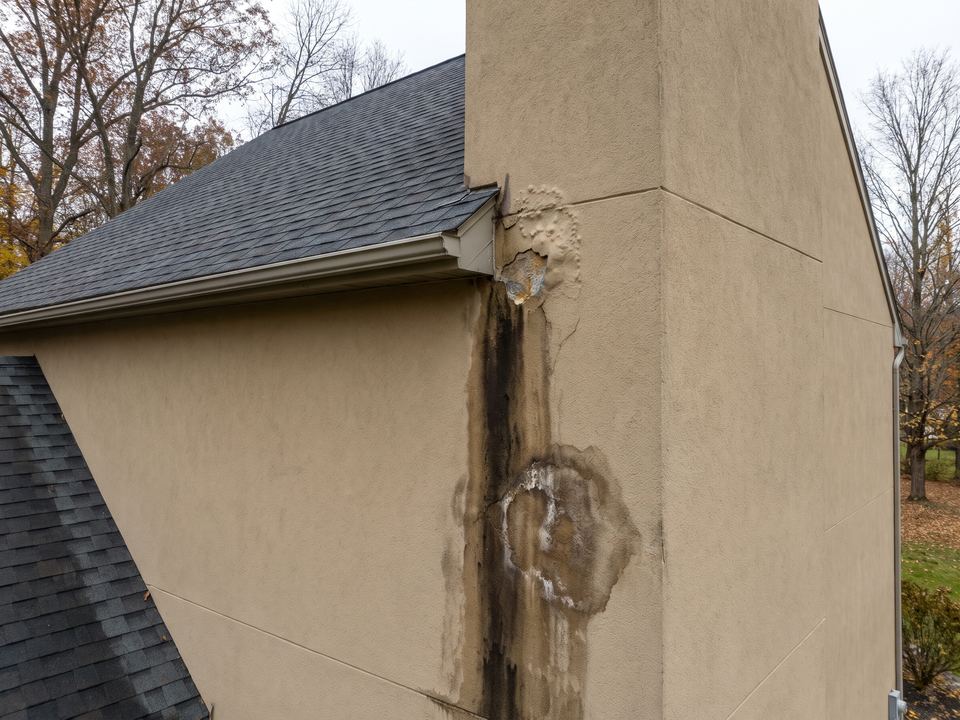
AI-generated illustration
Paid inspections of EIFS, stucco and exterior walls; the fee is credited toward your contract.
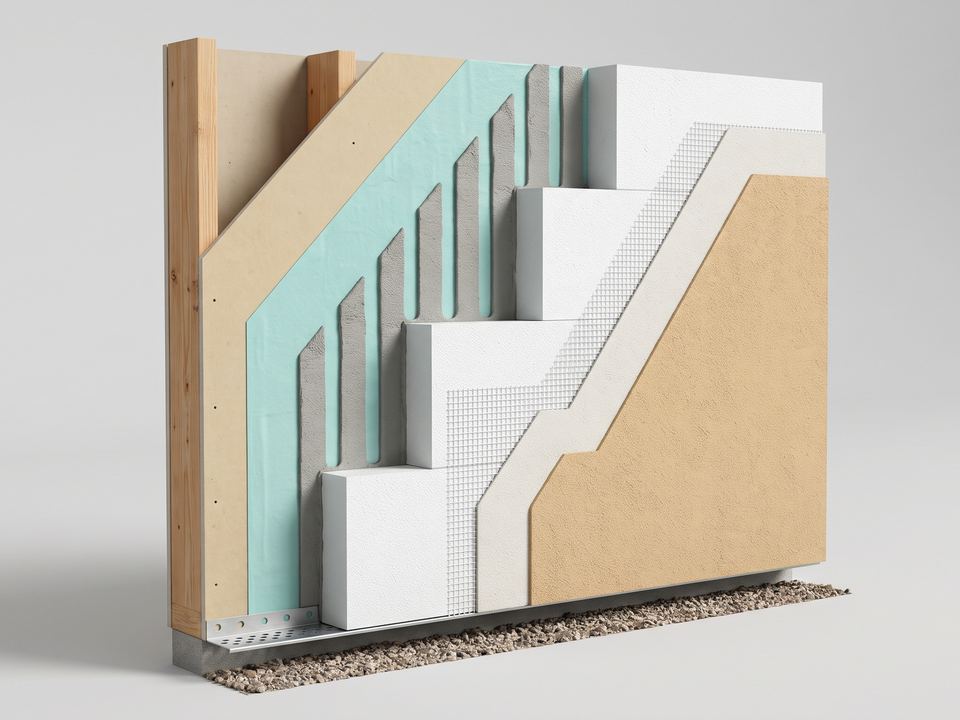
AI-generated illustration
EIFS repair, recoating and new drainage EIFS on homes and commercial buildings.
Cement stucco repair, refinishing and new three-coat stucco.
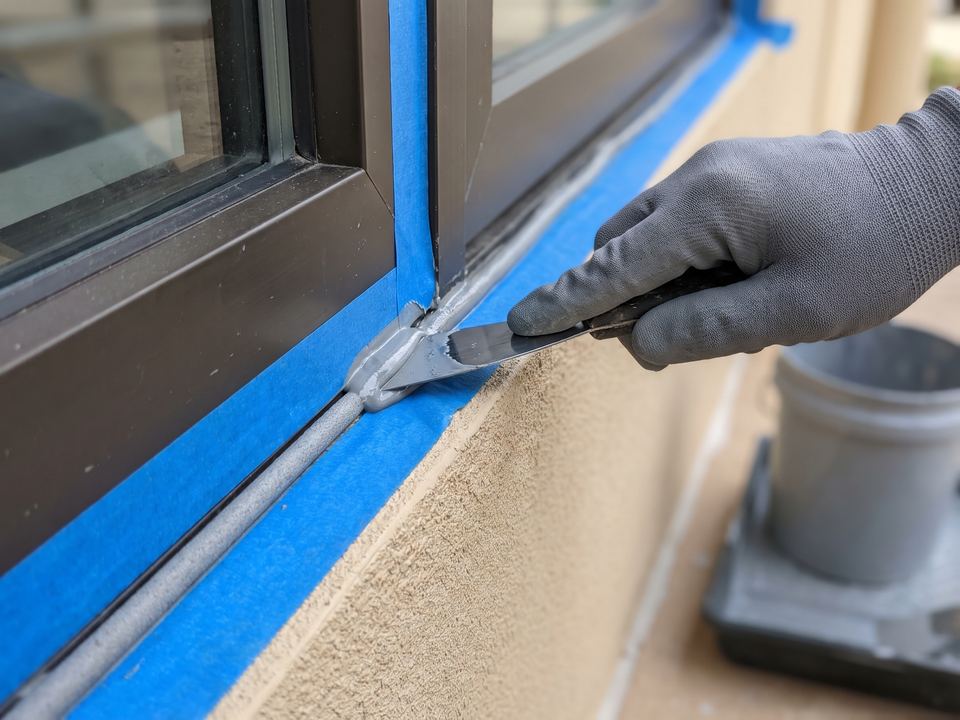
AI-generated illustration
Sealant joints, flashing, air and water barriers and breathable coatings.
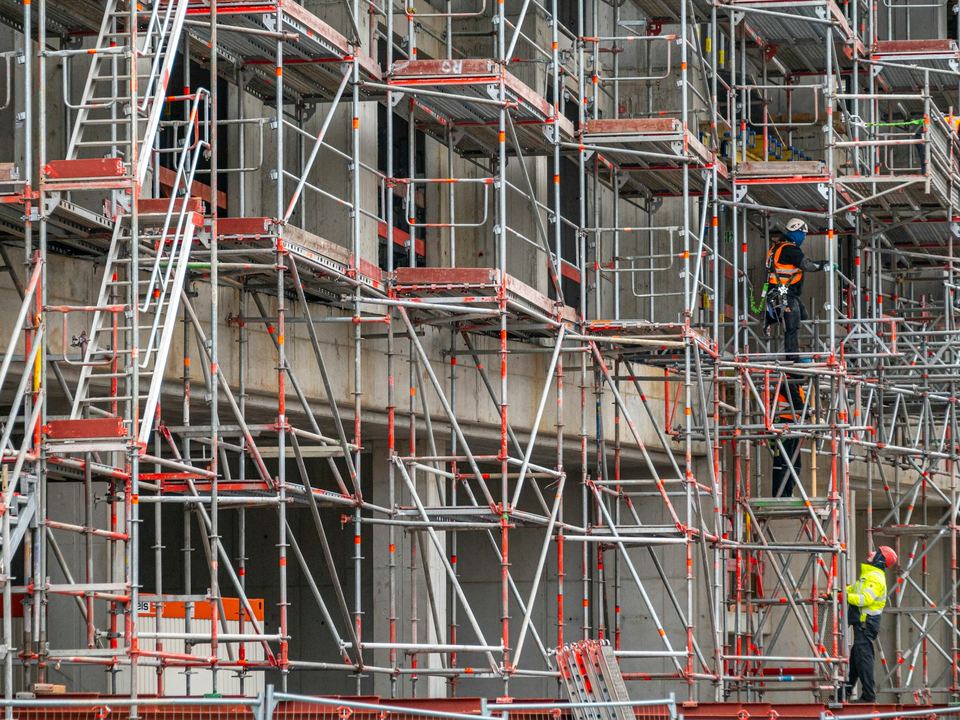
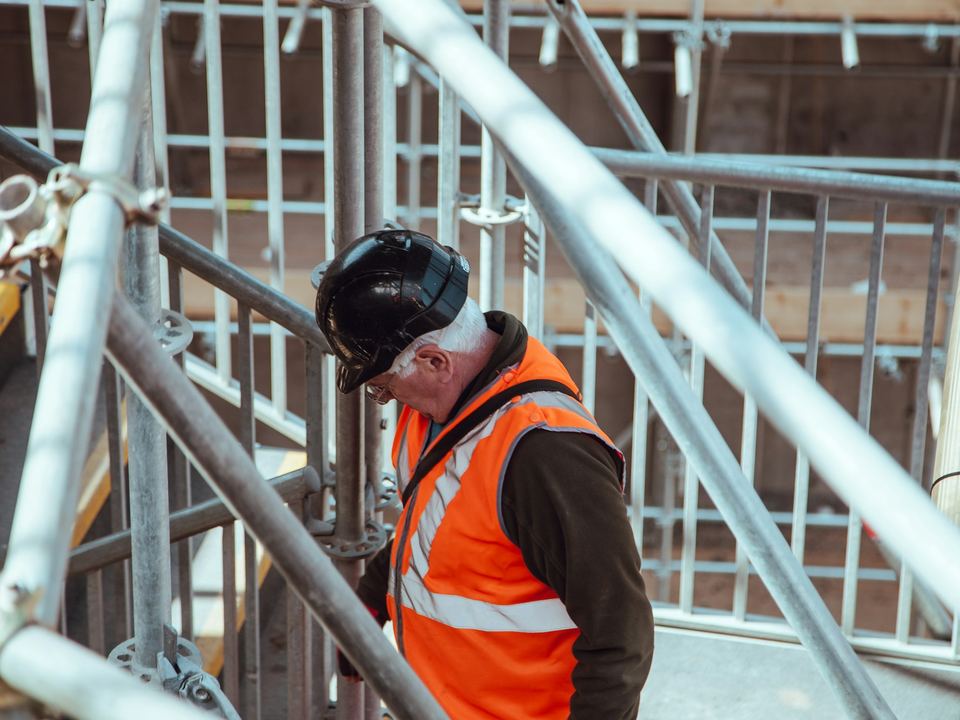
Company-owned pipe and frame scaffold for our jobs, owners and other trades.

ACM and aluminum plate wall panels, trims and soffits.
Siding rarely fails all at once. Most structural sheathing rot starts at one small flashing gap and leaves subtle clues on the outside first.
Panels bow outward in afternoon sun, unhook along horizontal locks, or flap during wind gusts on high gables.
Stains trail from bottom J-channels, interior drywall blisters under the sill, or exterior casings give when pressed.
Siding stains, mossy streaks or crumbling sheathing show up right below the lower corner where a roof meets a taller wall.
Paint flakes off eave boards, gutter spikes pull loose under snow weight, or soffit panels sag and let pests into the overhang.
From a small gable blow-off to stripping and re-siding an entire colonial, every job follows the same practical sequence.
Text three to five photos with your town. Within one business day we tell you what we see and whether a site visit is the right next step.
We look above the problem spot at roof lines, gutters, window heads and grade clearance so the estimate addresses where water enters.
You get a plain-English scope covering tear-off, sheathing repairs, housewrap, metal flashings, trim and siding, with no charge for the estimate.
Our own insured crew replaces bad wood, flashes openings, installs the siding or trim cleanly, sweeps nails with magnets and hauls debris.
Capital Region walls go through months of freeze-thaw swings, wind-driven rain off the Mohawk and Hudson valleys, and heavy roof runoff when snow melts above cold eaves. Siding itself, whether hollow-back vinyl or painted fiber cement, is only a rain screen. Real weather protection comes from the layer right behind it: lapped housewrap, metal head flashings, kick-out diverters where roofs meet walls, and dry wood sheathing.
Whether you need a localized siding repair, a tear-off siding replacement, or new trim, soffit and fascia, we open the problem spot far enough to see the wood underneath and fix how the wall drains. Our own insured crew handles the tear-off, sheathing patch, metal flashing and finish courses under one written scope.
518 Siding Pros is the siding and exterior trim service of The Dom Construction Group LLC for homes and buildings in the Capital Region. Call or text (518) 888-7938.
Because our field crews also build and repair drainage EIFS, cement stucco, waterproofing assemblies, aluminum panels and company-owned scaffolding, you do not have to coordinate separate carpenters, flashing mechanics and facade crews when a leak crosses two wall types. If you are buying a property or tracking down a stubborn leak before pricing repairs, we also offer paid EIFS and exterior wall inspections with the fee credited toward contracted work. Read more about our crew and recent Capital Region work.
Name and phone number are all we require. One close-up and one wide shot of the elevation help most.
Common warning signs include siding courses that wave or bulge outward, brownish streaks weeping from horizontal lap joints, peeling paint or soft drywall below interior window corners, and trim boards that feel spongy when pressed with a screwdriver handle. On vinyl-sided houses, pressing firmly below window sills, deck ledgers and roof-to-wall intersections often reveals soft spots where wet OSB or plywood has lost stiffness.
Yes, localized storm blow-offs, impact cracks and isolated rot spots are usually repairable without stripping the entire elevation. On vinyl walls, intact courses above the damage can be unhooked with a zip tool so damaged panels and wet sheathing underneath come out cleanly. Matching depends on the panel profile and how much sun fading has occurred on south- and west-facing walls over the years.
Yes, our crews install and repair standard vinyl lap siding, Dutch lap profiles, vinyl shakes and soffits, as well as smooth and wood-grain fiber cement lap boards, trim and panels. Each cladding system requires specific weather-barrier detailing: vinyl needs slotted clearance to move through seasonal temperature swings, while fiber cement requires sealed cut ends, joint flashing and strict clearances off roofs, decks and soil.
Mixed-cladding buildings frequently leak right where siding J-channels butt against stucco, masonry or EIFS bands without proper casing beads, backer rod and flexible sealant. Because The Dom Construction Group LLC self-performs EIFS, cement stucco, masonry repairs, flashing, sealants and siding with our own crews, one team handles both materials and builds a watertight transition joint instead of splitting responsibility between two separate contractors.
Many tear-offs, sheathing repairs, metal flashings, cellular PVC trim replacements and fiber cement installations can proceed during cool weather when wind and precipitation allow safe ladder and scaffold work. Cold vinyl becomes brittle in freezing temperatures and requires extra care during cutting and nailing. Acrylic coatings, EIFS finishes, stucco and certain sealants require roughly 40 °F and rising temperatures with no freezing for 24 hours.
The rest of the 518 area code by arrangement
Text a photo of the damaged siding or trim
Book spring work now. Winter assessments and estimates available.